
Deep Roots, Global Reach: Navigate the Real Japan
From Aomori’s serene rural areas to Tokyo's dynamic corporate settings, JapanInsider serves as your reliable resource for understanding and succeeding in Japan’s distinctive business and cultural landscapes. Whether you are relocating, expanding your business, or aiming to bridge cultural differences, begin your endeavors with expert advice and pragmatic support, enabling you to make informed decisions with confidence.
Get Expert Guidance Now
Our Services

Smooth Lifestyle Assimilation
Navigate daily challenges and integrate into Japanese life with ease. Our local expertise ensures you avoid common pitfalls and achieve a sense of belonging more quickly.

Cultural Orientation Workshops
Participate in interactive sessions designed to help Western professionals and families understand Japanese traditions, etiquette, and social norms, so you can build genuine connections from day one.

Professional Translation & Writing
Ensure your business communications are precise, persuasive, and culturally on point. We offer bilingual translation for contracts, marketing materials, and corporate correspondence.

Business Etiquette Consulting
Navigate Japanese corporate protocols with confidence. Our consultants equip you with essential skills for meetings, networking, and negotiations, and empower you to make a strong impression.
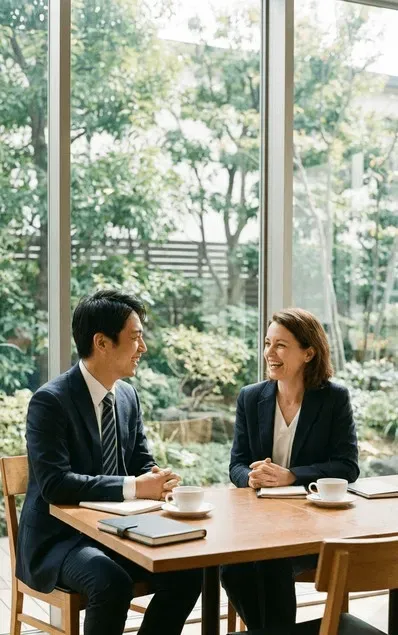
Cross-Cultural Communication Training
Boost your team’s effectiveness with customized training that bridges the gap between Western and Japanese work styles for smoother collaboration and lasting partnerships.
Why Choose JapanInsider?
Proven Track Record: 300+ satisfied clients, 150+ projects completed.
Fully Bilingual Support: Native-level English and Japanese assistance.
Local Insight: Deep knowledge of regional customs and business climates.
Transparent Process: No hidden fees, clear deliverables, and satisfaction-focused service.
Ready to experience the real Japan and do business without barriers?
Get a Personalized Consultation or email us at info@japaninsider.org.
Connecting Cultures, Accelerating Success
Discover how JapanInsider can help you unlock opportunities and avoid missteps every step of the way.
Gallery


Connecting diverse cultures to unveil the intricacies of conducting business in Japan
Uncover the authentic spirit of Japan today
Over 300 Satisfied Clients | More than 150 Completed Projects | Fully Bilingual Support

Discover Japan with JapanInsider: Your Gateway to Japanese Culture and Business
Expertise in Japanese Culture and Business
JapanInsider stands as the foremost consultancy and professional writing service located in Aomori City, Japan. With strong ties to the cultural and commercial fabric of Japan, we focus on assisting Western clients in effectively managing the intricacies of living in Japan. Our skilled team possesses extensive knowledge and experience, guaranteeing that our clients receive genuine perspectives on Japanese customs, business protocols, and lifestyle intricacies that are crucial for successful adaptation and cooperation.
Comprehensive Services Tailored for Western Clients
Our offerings are specifically tailored to connect Western viewpoints with the nuances of Japanese contexts. We provide customized business consulting aimed at assisting clients in comprehending local market trends, regulatory frameworks, and cultural norms. Furthermore, our expert writing services deliver precise, culturally attuned communication resources, encompassing business proposals, marketing materials, and lifestyle articles. This integration of consulting and writing enables our clients to interact meaningfully with Japanese partners, consumers, and communities.
Unique Selling Points: Authenticity and Cultural Sensitivity
What distinguishes JapanInsider is our dedication to authenticity and respect for cultural nuances. Rather than offering generic recommendations, we deeply engage with the Japanese lifestyle to provide customized solutions that acknowledge and honor local traditions. Our bilingual team facilitates effective communication by overcoming language obstacles, thereby promoting mutual understanding. By selecting JapanInsider, clients secure a reliable ally who comprehensively perceives both Western and Japanese perspectives, ensuring that their experience in Japan is both rewarding and successful.
Frequently Asked Questions
What services does JapanInsider offer?
JapanInsider offers business consulting and professional writing services, specializing in helping Western clients understand Japanese culture, business practices, and lifestyle.
What are some of the biggest culinary and lifestyle mistakes foreigners make in Japan?
Adapting to life in Japan is a rewarding experience; however, it is common for newcomers to inadvertently violate local customs, particularly regarding cuisine and daily manners. Below are several frequent errors observed among foreigners:
Mixing Wasabi into Soy Sauce: While some Western sushi bars encourage this, in Japan, it's more respectful to dab a little wasabi directly onto your sushi. Combining it with soy sauce is generally frowned upon, especially at traditional establishments.
Wearing Shoes Indoors: Forgetting to remove shoes before entering homes, certain restaurants, and even dressing rooms at stores is a surefire way to stand out. Always look for a designated spot for shoes and slippers.
Speaking on Phones in Public Transportation: Unlike in some countries, phone conversations on trains and buses are considered disruptive. It’s best to set your phone to silent mode and communicate by message if needed.
Pouring Your Own Drink: In group social settings, etiquette suggests pouring drinks for others before your own. This gesture, especially at izakaya gatherings or business dinners, shows respect and builds camaraderie.
Tipping at Restaurants: It may surprise many North Americans and Europeans, but leaving tips in Japan is unnecessary and can even confuse staff. Excellent service is already built into the experience.
Improper Chopstick Use: Pointing, waving, or sticking chopsticks upright in rice is considered impolite or even unlucky. Always rest them on the holder when not in use.
Ignoring Local Bathing Customs: In onsen (hot springs) or sento (public baths), thoroughly wash before entering the communal bath and refrain from bringing towels into the water.
Ultimately, adopting these customs facilitates foreigners' integration and enhances their understanding of Japanese culture. Should uncertainty arise, subtle observation or discreetly observing others' actions can be highly beneficial.
What are the typical tax errors made by foreigners in Japan?
Navigating Japan’s tax system can be challenging, especially for newcomers to the country. Here are some of the most frequent missteps we’ve observed among foreigners:
Missing tax filing deadlines: Unlike in some countries, where employers handle everything, in Japan, self-filing is often required, especially if your income comes from multiple sources or freelance work. Failing to meet the annual tax return deadlines (typically in mid-March) can lead to penalties.
Misunderstanding income categories: The Japanese tax system defines different income types, such as salary, self-employment, investment, etc., and each is handled differently. Failing to correctly classify your income may result in errors or unnecessary taxes.
Overlooking local inhabitant taxes: Many newcomers forget that taxes aren’t just national. Local governments levy inhabitant taxes, which are based on your previous year’s income—often arriving as a surprise bill months after arrival.
Forgetting to keep proper records: Receipts, contracts, and proof of expenses are crucial, particularly for anyone claiming deductions. Without adequate documentation, you may miss out on eligible tax savings or face questions during audits.
Neglecting to claim available deductions: Foreigners sometimes leave money on the table by not utilizing deductions for things like dependents, healthcare costs, or mortgage interest, all of which can significantly reduce your taxable income if claimed correctly.
Not informing the tax office when leaving Japan: When moving out of Japan, you must file a final tax return and appoint a tax representative. Neglecting this process can lead to complications if you ever plan to return or need documentation in the future.
By staying alert to these common pitfalls, you can navigate Japanese taxes more smoothly and avoid costly headaches down the road.
What are some unique cultural or seasonal rituals,and events that's happening in Japan?
Japan is renowned for its vibrant calendar of traditional rituals and seasonal events, many of which offer insightful glimpses into local customs and beliefs. For example, at the start of a new year, you might observe participants gathering at historic shrines such as Kanda Myojin in Tokyo to participate in purification ceremonies. During these rituals, individuals pour cold water over themselves, a symbolic gesture believed to cleanse the spirit and promote good health for the year ahead.
In spring, hanami (cherry blossom viewing) becomes a nationwide celebration, with families and friends picnicking under blooming sakura trees in parks such as Ueno Park in Tokyo or Maruyama Park in Kyoto. Summer brings the lively Gion Matsuri in Kyoto and the Nebuta Matsuri in Aomori, where illuminated floats and traditional dances illuminate city streets. Come autumn, the admiration of turning maple leaves, known as koyo, draws crowds to scenic spots like Nikko and Arashiyama.
These cultural practices and seasonal festivities not only enrich daily life in Japan but also provide meaningful opportunities for visitors and residents alike to connect with the community and experience the country’s rich heritage firsthand.and.and.and.and.and.
How's JapanInsider different from other consulting firms?
Our deep expertise in both Western and Japanese cultures, including a nuanced understanding of social norms, communication styles, and cultural values, combined with professional writing skills, allows us to bridge gaps and provide effective, culturally sensitive communication tailored to diverse audiences.
What traditional foods, customs, or historical anecdotes are presently under discussion?
Current Highlights: Traditional Customs and Seasonal Foods
What traditional foods, customs, or historical anecdotes are presently under discussion?
Among the traditions gaining attention this season is a New Year’s purification ritual held at Kanda Myojin Shrine, where participants bravely douse themselves with cold water as a form of spiritual cleansing and a wish for good health in the year ahead. This centuries-old ceremony is deeply rooted in Japanese beliefs about renewal and resilience, embodying the community’s commitment to both physical and spiritual well-being.
On the culinary front, there’s a renewed appreciation for comforting winter dishes, such as creamy soups featuring hearty vegetables like rutabaga and parsnip, often enhanced with the rich flavors of cheddar. These warming recipes not only reflect the seasonal produce available in Japan but also highlight the adaptability of local cuisine, which skillfully weaves traditional ingredients with new influences to create a uniquely Japanese twist on familiar comfort foods.
Is your consulting service available remotely?
Yes, we offer remote consulting and professional writing services through video calls, detailed email correspondence, and various digital communication platforms such as Zoom, Skype, and Microsoft Teams to accommodate clients worldwide from different time zones and cultural backgrounds.
Where is JapanInsider located?
JapanInsider is located in Aomori City, Aomori Prefecture, Japan, postal code 030-0843.
What recommendations exist for travel destinations and experiential activities in Japan?
What recommendations exist for travel and experiential activities in Japan?
Japan offers a wide variety of travel experiences, blending tranquil natural escapes with vibrant urban adventures. For those seeking a peaceful retreat, consider visiting the serene Chūson-ji Temple in Hiraizumi, or witness the ethereal beauty of Itsukushima Shrine, seemingly floating above the waters of Miyajima. If you are drawn to picturesque landscapes, the scenic shores of Lake Biwa invite quiet reflection, especially at sunrise.
Those interested in cultural immersion might explore the traditional streets of Kanazawa’s Higashi Chaya District or join a tea ceremony in Kyoto’s Gion. Outdoor enthusiasts can trek the historic Nakasendo Trail or unwind in the soothing mineral waters of an onsen town like Hakone or Kusatsu.
If your interests lean urban, Tokyo’s energetic neighborhoods from Shibuya’s famed Scramble Crossing to the stylish Omotesando Avenue highlight the country's modern side. At the same time, Osaka’s Dotonbori offers an unforgettable culinary adventure.
Ultimately, whether you are after peaceful contemplation, vibrant festivals, or hands-on experiences, Japan’s diverse destinations offer something to inspire every traveler.
Can JapanInsider help with understanding Japanese lifestyle and culture?
Yes, we offer detailed insights into Japanese lifestyle and cultural norms, including traditional customs, social etiquette, and everyday practices, to help Western clients better understand, integrate, and form meaningful connections within Japanese society.
How do I contact JapanInsider?
You can contact us through the dedicated contact form available on our official website's Contact Us page, by sending an email to our support email address, or by calling our customer service line during business hours. Detailed contact information, including phone numbers and email addresses, is provided on the Contact Us page for your convenience.
Who are your typical clients?
Our clients include Western entrepreneurs, business professionals, expatriates, and anyone interested in understanding and succeeding in the Japanese market and culture.
What are the main laws and rule changes coming to Japan in the near future?
Japan periodically updates its regulatory landscape to keep pace with global standards and local needs. In the coming years, several significant laws and revisions are set to take effect across a range of sectors:
Digital Transformation and Privacy: Enhanced data protection standards will soon be implemented, strengthening personal information regulations in line with the EU’s GDPR. Businesses handling customer data should anticipate stricter compliance requirements.
Workplace Reforms: Updates to labor laws will introduce greater flexibility in remote work arrangements, while also revising overtime and parental leave rules to better support work-life balance for Japanese employees and foreign staff alike.
Environmental Initiatives: New environmental protection regulations will mandate stricter emissions standards for vehicles and industrial activities. Companies like Toyota and Panasonic are proactively adjusting operations to meet these sustainability objectives.
Immigration Policies: Visa changes, including expanded skilled worker categories and streamlined residency procedures, will make it easier for international professionals to contribute to Japan’s economy.
Consumer Protection: Revisions to consumer rights laws will bolster safeguards against misleading advertising and introduce more robust dispute resolution options.
Public Health and Safety: Updates in the food and beverage industry include standardized nutritional labeling and stricter hygiene protocols, impacting domestic producers and global brands such as Nestlé and Coca-Cola operating in Japan.
These wide-ranging changes reflect Japan’s commitment to modernization, fair business practices, and an inclusive society. Whether you are a business owner, expatriate, or simply interested in Japanese culture, staying informed about these upcoming laws is key to ensuring a smooth experience in the Japanese market.
What are the top jobs and employment trends in Japan this week?
Japan’s dynamic job market continues to evolve, reflecting ongoing economic shifts, technological advancements, and global influences. This week, several sectors stand out for their robust hiring and unique opportunities:
IT & Technology: Roles in software development, AI engineering, and cybersecurity remain in high demand as both national and foreign companies accelerate digital transformation initiatives.
Education: English-language instruction—particularly positions for native and near-native speakers—continues to attract Western applicants, driven by ongoing demand in private language education. schools and corporate training programs.
Healthcare: Nursing, elder care, and support roles are expanding rapidly as Japan’s population ages. Internationally certified professionals are finding increasing opportunities, particularly in urban centers.
Hospitality and Tourism: As inbound travel recovers, hotels, resorts, and travel companies are actively seeking multilingual staff for guest relations, management, and tour planning.
Renewable Energy: Specialists in sustainability, green engineering, and environmental consulting are in demand as Japan prioritizes clean energy initiatives.
Manufacturing & Logistics: From automotive engineers to supply chain analysts, the manufacturing sector welcomes talent as it adapts to automation and expanding export markets.
Key Trends:
Remote and hybrid work options are becoming more prevalent, especially in IT and marketing roles.
Employers increasingly value bilingual or multicultural backgrounds to foster cross-cultural collaboration.
Certification and technical skills often help applicants stand out in competitive fields.
By staying attuned to these hiring trends, job seekers can strategically position themselves for rewarding careers in Japan’s competitive market.
What business and economic news is impacting Japan and its trade partners?
Recent developments in global trade and economic policy are influencing Japan's business landscape and its international relationships. Notably, China has implemented more stringent export controls on rare-earth materials destined for Japan, a measure that may impact sectors dependent on advanced manufacturing and electronics. In response, Japan is actively seeking to diversify its agricultural and food export markets, extending its reach beyond traditional partners to new regions and reducing risks amid changing trade dynamics.
Economists are also noting a slowdown in China's projected economic growth for 2025, which could ripple through Asia-Pacific trade networks, including Japan. These developments underscore the importance for businesses to remain informed and adaptable as they navigate a complex and evolving economic environment.
What are the notable events and festivals happening in Tokyo, Osaka, and other Japanese cities?
Japan is renowned for its vibrant calendar of events and festivals throughout the year, offering visitors and residents memorable cultural experiences across the country.
Tokyo:
From the bustling streets of Shibuya to the serene parks of Ueno, Tokyo continuously hosts an array of seasonal events. In January, you can experience traditional rites at the Tokyo Daijingu Shrine during Hatsumode (the first shrine visit of the year). The Tokyo International Film Festival in the fall attracts cinephiles, while the Sumida River Fireworks Festival in summer lights up the city’s skyline.
Osaka:
Osaka is equally lively, especially during the Tenjin Matsuri in July, one of Japan’s three most significant festivals. Winter welcomes the dazzling Osaka Illumination, transforming local parks into enchanting light displays. In spring, the cherry blossoms at Osaka Castle Park set the stage for hanami (flower-viewing) gatherings.
Other Cities:
Beyond Tokyo and Osaka, Kyoto’s Gion Matsuri in July is celebrated for its magnificent floats and centuries-old processions. Sapporo in Hokkaido hosts the famous Snow Festival every February, where massive ice sculptures draw visitors from around the world. Meanwhile, locals in Aomori revel in the summer with the vibrant Nebuta Matsuri, featuring illuminated floats and energetic parades.
No matter the season, Japan’s cities offer a dynamic blend of modern attractions and traditional festivities, ensuring there’s always something unique to discover and enjoy.
What should you do if you develop a lifestyle illness while living in Japan?
If you happen to develop a lifestyle-related illness, such as high blood pressure, diabetes, or high cholesterol, while residing in Japan, taking prompt and well-informed action is essential. Fortunately, Japan's healthcare system is robust and accessible, offering high-quality care at both clinics and hospitals throughout the country.
Here is the recommended procedure to follow:
Seek medical advice early: Make an appointment with a local clinic or hospital. You may wish to use online platforms like Doctolib or Ambika Clinic if you prefer English-speaking doctors. Many larger cities offer international clinics, but even in more rural areas, hospitals are accustomed to working with foreign residents.
Understand your health insurance coverage: The National Health Insurance (NHI) system ensures that most treatments and medications are broadly affordable, typically requiring you to pay only 30% of costs out-of-pocket and sometimes less for chronic conditions. Bring your health insurance card to every appointment.
Follow up with specialist care: Your primary doctor may refer you to a specialist for ongoing treatment or more detailed examinations. Don’t hesitate to ask for a referral if your condition requires more targeted support.
Embrace preventative care and local resources: Pharmacies like Matsumoto Kiyoshi and Tomod’s can provide reliable guidance for over-the-counter medications and lifestyle products. Many municipalities also run wellness workshops and support groups, which are invaluable for managing diet and exercise habits in ways that fit local culture.
Communicate openly: If you have questions or struggle with language barriers, consider bringing a bilingual friend, using medical translation apps, or requesting hospital translation services (which are sometimes free in urban centers).
Taking these proactive steps helps ensure your health and well-being, allowing you to enjoy your life in Japan with peace of mind and confidence.